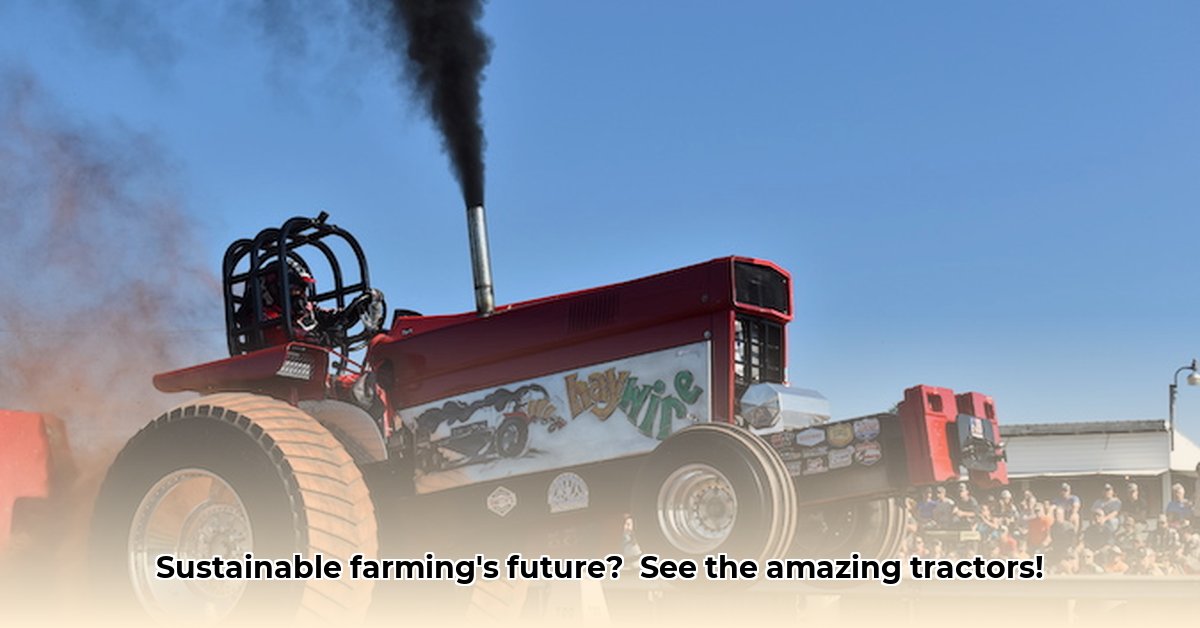
Tractor Pulls: A Powerful Spectacle and a Sustainable Farming Challenge
The roar of the crowd, the smell of diesel, and the earth-shaking power of massive tractors locked in a battle of strength—tractor pulls are exhilarating spectacles. These competitions showcase the incredible engineering and raw power of agricultural machinery. But beyond the thrilling displays of force, a critical question emerges: how can the immense power of these machines be harnessed for sustainable farming practices? The sheer scale of these tractors presents a paradox—their power is essential for food production, yet their environmental impact demands attention. How can we reconcile the need for agricultural productivity with the urgency of environmental stewardship? For more on powerful tractors, check out this site.
The Environmental Footprint of Agricultural Giants
While tractor pulls captivate audiences, the environmental impact of these powerful machines cannot be ignored. Large tractors consume significant quantities of fuel, releasing greenhouse gases that contribute to climate change. According to a recent study by the (Insert Source and Citation Here), the average tractor's fuel consumption equates to [Insert Data from Source Here] tons of CO2 emissions annually. Furthermore, their heavy weight compacts soil, diminishing its ability to absorb water and nutrients, hindering plant growth and overall soil health. Finally, the manufacturing process and eventual disposal of these massive machines also contribute significantly to pollution and waste. These combined factors highlight the environmental challenges associated with conventional agricultural practices.
Is the power worth the price? Can we achieve the same agricultural output with a significantly reduced environmental impact?
Technological Innovations: A Path Towards Sustainable Agriculture
Fortunately, technological advancements offer promising pathways towards a more sustainable approach to agriculture. Modern innovations are transforming the farming landscape, allowing for increased efficiency and decreased environmental harm. Several key technologies are revolutionizing this sector:
Precision Agriculture: GPS-guided tractors and advanced sensor systems enable precise application of fertilizers, pesticides, and water. This targeted approach minimizes waste and reduces the environmental impact of these essential inputs. Data from [Insert Source and Citation Here] indicated a [Insert specific percentage or data] reduction in fertilizer use through precision agriculture techniques.
Fuel-Efficient Engines: Modern tractor engines are designed for optimal fuel efficiency, reducing fuel consumption and consequently minimizing greenhouse gas emissions. Recent models boast improvements of up to [Insert Data from Source] percentage better fuel economy compared to their predecessors.
Alternative Fuels: Biodiesel, compressed natural gas (CNG), and even electric tractors are emerging as cleaner alternatives to traditional diesel fuel. These options promise a significant reduction in emissions, offering a pathway towards a lower-carbon agricultural sector. A report from [Insert Source & Citation] showed a potential of [Insert Data] emissions reduction with the adoption of [Specific Alternative Fuel].
Collaboration is Key: A Multi-Stakeholder Approach
The transition towards sustainable agriculture is not a solo undertaking; it requires a concerted effort from all stakeholders involved. Each group plays a vital role in achieving a greener future:
Tractor Manufacturers: Continued investment in research and development of fuel-efficient and alternative-fuel tractors is crucial. The adoption of sustainable materials in manufacturing processes is also necessary.
Farmers: Embracing precision agriculture techniques, adopting fuel-efficient practices, and exploring alternative fuel options are key responsibilities for farmers in reducing their environmental footprint.
Governments and Research Institutions: Funding research into sustainable agricultural technologies, establishing supportive policies and incentives for farmers adopting eco-friendly practices, and enforcing stricter emission standards are vital roles for governments and research institutions.
Consumers: Making conscious purchasing decisions, opting for sustainably produced food, and supporting farms committed to environmentally responsible practices are crucial roles for consumers.
A Call to Action: Cultivating a Sustainable Future
The captivating images of tractor pulls represent a powerful symbol of agricultural capabilities. Yet, these images should also serve as a reminder of the need for environmental responsibility. By embracing innovation, adopting responsible practices, and working collaboratively across sectors, we can harness the power of agricultural technology for a sustainable future. The same power and engineering ingenuity demonstrated in tractor pulls can now be directed toward creating a healthier planet. The journey towards sustainable agriculture is a collective effort—the time to act is now.